



Saturs
- St. John's wort leaves
- Oats
- Wild raspberry leaves
- Apples
- Apple mint leaves
- Valerian roots
- Echinacea
- Icelandic lichen
- Cat's paw flowers
- Catnip leaves
- Marigold flowers
- Chamomile flowers
- Cumin fruit
- Meadowsweet leaves
- Marsil leaves
- Melissa leaves
- Wild mallow leaves
- Nettle leaves
- Yarrow leaves
- Dandelion roots
- Peppermint leaves
- Sundew leaves
- Oregano leaves
- Cornflower flowers
- Medicinal sage
- Mother of the Heart
- Red clover flowers
- Sea buckthorn leaves
- Blackcurrant fruit
- Wormwood leaves
- Horsetail leaves
- Tricolor violet leaves
- Meadowsweet flowers
History of Tea
Izvēlne
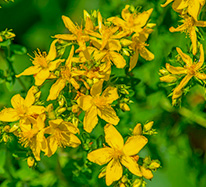
St. John's wort leaves
(Herba Hyperici)
St. John's wort has been used for healing purposes for more than 2,400 years. St. John's wort was used to improve the functioning of the stomach, intestines and all digestive organs, prevent the formation of gallstones and bile retention in the gallbladder, and improve blood circulation. In ancient times, the plant was attributed with astringent, antiseptic, and pain-relieving properties. In the recent past, St. John's wort has become increasingly known as a remedy for depression. The plant is not recommended for use in large doses. It may increase sensitivity to sunlight.
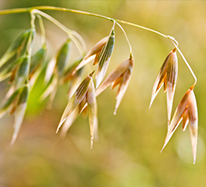
Oats
(Avena sativa)
Since ancient times, oats have been used not only for food, but also for medicine. They were used to strengthen the body, tonify it, lower blood sugar levels, stimulate appetite, and reduce cravings for drugs.
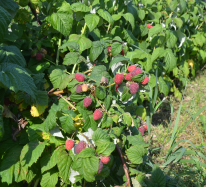
Wild raspberry leaves
(Herba Rubi idaei)
In ancient times, wild raspberry leaves were attributed with astringent, diaphoretic, antispasmodic, anti-inflammatory, antitoxic, and pain-relieving effects. They were also used to improve metabolism, reduce fever and cold symptoms, and promote digestive function.
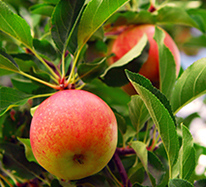
Apples
(Malus domestica)
In ancient times, apples were recommended for cardiovascular and digestive system disorders, as well as for cleansing and strengthening the body.
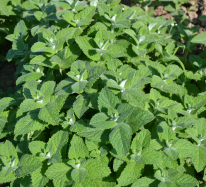
Apple mint leaves
(folia Menthae suaveolens)
In ancient times, mint tea was used not only for its refreshing, pleasant taste, but also for nausea, vomiting, diarrhea, flu and colds, as well as for rheumatism and nerve pain.

Valerian roots
(rhizomata cum radicibus Valeriana)
In ancient times, valerian root was attributed with a pronounced sedative effect. It was believed to help with headaches, sleep disorders, reduce feelings of fear, lower blood pressure, dilate blood vessels, relieve spasms, cramps, and promote the functioning of the digestive system.
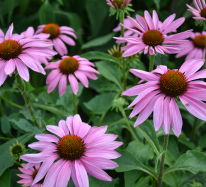
Echinacea
(Echinacea purpurea)
North American Indians used echinacea in ancient times to treat coughs, stomach aches, headaches, and to disinfect wounds. They believed that the plant had antiseptic and immune-boosting effects.
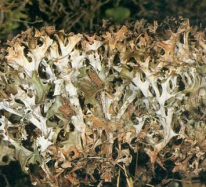
Icelandic lichen
(Cetraria Islandica)
Icelandic lichen has an astringent, healing, and strongly pronounced antimicrobial effect. It is used to improve appetite, as a general tonic, for pulmonary tuberculosis, whooping cough, and bronchial asthma.
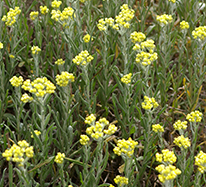
Cat's paw flowers
(Flores Helichrysum arenarium)
Ancient people believed that catnip improves metabolism, promotes the secretion of gastric juice and pancreatic juice. The bitter substances in the flowers were believed to have diuretic properties, so they were used against rheumatism, arthritis, edema, and kidney diseases.
Catnip leaves
(Nepeta cataria)
In ancient times, catnip was used to stimulate appetite, improve digestion and stomach function. It was used to relieve stomach and intestinal cramps, bloating, and prevent pain during menstruation. Catnip was also used for colds, respiratory tract inflammation, and bronchitis. The plant was also considered a sedative for insomnia, nervousness, hysteria, and melancholy.

Marigold flowers
(Flores Calendulae)
Because of its beautiful flowers, the plant was initially used as an ornamental plant, but later also in cooking and healing. In ancient times, people used marigolds for stomach and duodenal ulcers, biliary tract, gallbladder, liver, eyes, ears, gums, and inflammation. It was believed that marigold tea had a calming effect, lowered blood pressure, stimulated the heart, and relieved menstrual, labor, and postpartum pain.
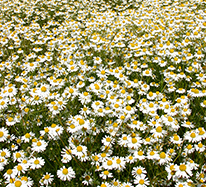
Chamomile flowers
(Flores Chamomile)
One of the first medicinal plants in Egypt, which the inhabitants began to grow themselves. Already there, the plant's soothing, antiseptic, wound-healing, digestive system-improving, and bloating-reducing properties were discovered. Chamomile infusions have also been used in folk cosmetics since ancient times - for both hair and skin.
Cumin fruit
(Fructus Carvi)
In ancient times, it was believed that caraway fruits helped with bloating, stomach spasms, menstrual pain, promoted expectoration, stimulated milk secretion, improved appetite, and had anti-inflammatory effects.
Meadowsweet leaves
(Folia Farfarae)
In ancient times, it was believed that the substances contained in valerian leaves eased coughing, promoted phlegm discharge, and prevented throat and lung irritation. valerian leaves were attributed with anti-inflammatory, healing, emollient, slightly diaphoretic, and choleretic properties.
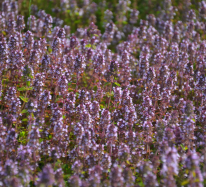
Marsil leaves
(Herba Serpylli)
In recent years, the plant has been recommended for the treatment of alcoholism, until then, marshmallow leaves were mainly used to promote digestion, reduce gas accumulation, prevent and stop diarrhea, relieve cough, asthma, bronchitis, and promote expectoration. It was attributed an antiseptic, anti-inflammatory effect.
Melissa leaves
(Folia Melissae)
For centuries, people have attributed calming, relaxing, pain-relieving, diaphoretic, and flatulence-promoting effects to lemon balm tea. Lemon balm lowers blood pressure, so it should not be used by people with low blood pressure.
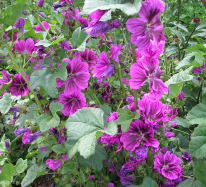
Wild mallow leaves
(Malva Sylvestris)
Wild mallow was used against coughs and other respiratory diseases, diarrhea, and stomach ailments.
Nettle leaves
(Folia Urticae)
Senatnē nātri izmantoja vispārējai organisma tonizēšanai, attīrīšanai, asiņošanas apturēšanai, asinsvadu un elpošanas centra darbības uzlabošanai. Uzskatīja, ka augam piemīt pretiekaisuma, vielmaiņu normalizējoša, žultsdzenoša, audu atjaunojoša iedarbība.
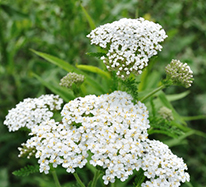
Yarrow leaves
(Herba Millefolii)
In ancient Rome and Greece, yarrow was called “Herba Militaris” – military herb, because its anti-inflammatory properties had long been used to heal wounds. Ancient people attributed anti-inflammatory and antiseptic effects to yarrow tea. It was believed that yarrow tea stimulates appetite, reduces gas accumulation, helps against colds, fever, lowers temperature, stops bleeding and promotes wound healing. Yarrow should not be used during pregnancy.
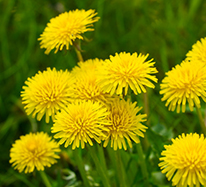
Dandelion roots
(Radices Taraxaci)
The Latin name of the plant "officinale" already indicates that it was used medicinally in ancient times. Dandelion roots were attributed with cleansing, laxative and appetite-stimulating properties. They were also used to treat liver and kidney diseases, gallstones, bladder stones, gout and rheumatism.
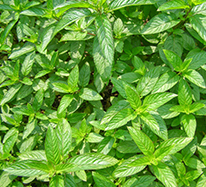
Peppermint leaves
(Folia Menthae piperitae)
Already in Ancient Rome and Greece, mint was highly esteemed for its refreshing effect. There, people crowned themselves with mint wreaths during festivals and decorated tables with mint shoots. Peppermint was attributed with calming, analgesic and anti-inflammatory effects. In medicine, herbal tea was prepared from the leaves of the plant to improve blood circulation, dilate heart vessels, and prevent stomach and intestinal disorders. It is not advisable to give strong mint tea to children.
Sundew leaves
(Herba Alchemillae)
The Latin name "Alchemilla" comes from the dewdrops that collect on the leaves of the plant, but the plant got its Latin name "Alchemilla" from the Middle Ages, when alchemists used the dewdrops collected from the plant in an attempt to turn metal into gold. In ancient times, the plant was attributed with a hemostatic, astringent, and anti-inflammatory effect. It was believed to promote expectoration, tone the digestive system, improve metabolism, regulate the menstrual cycle, promote milk secretion, and heal wounds.
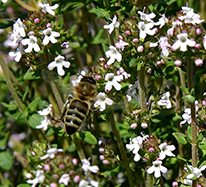
Oregano leaves
(Herba Origani)
This plant, so beloved by bees and butterflies, has a very long history in healing. The Greeks used it very widely as an antiseptic for both external and internal infections. It was believed that the plant had a calming, antiseptic, pain-relieving, digestive-stimulating, whooping cough-relieving, and diaphoretic effect. It was used externally as an anti-inflammatory agent for inflammation of the oral cavity, tonsils, and skin. Pregnant women are not recommended to take it orally.
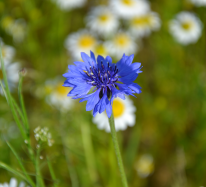
Cornflower flowers
(Flores Centaurea cyani)
In ancient times, cornflowers were used to treat coughs, relieve spasms, stimulate appetite, and stimulate bile secretion. They were attributed to have tonic, anti-inflammatory, antipyretic, and diaphoretic effects.
Medicinal sage
(Salvia officinalis)
The biogenic substances of sage leaves have anti-inflammatory, antiseptic, astringent effects. They promote bile secretion and digestive system function, weaken the function of sweat, mammary and salivary glands, normalize the functions of the gonads, strengthen the nervous system. Used in cases of inflammation of the stomach and intestines, for the removal of gases from the intestinal tract, for the treatment of inflammation of the liver and gallbladder. If it is necessary to stop breastfeeding, to facilitate the process, which in turn reduces milk secretion (not recommended for use during pregnancy).
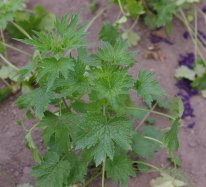
Mother of the Heart
(Cardiaca)
Used against heart failure, to regulate heart rhythm, against cardiovascular neurosis and exhaustion, in case of insomnia, tension and stress. In folk medicine, motherwort is used as a calming heart remedy, in case of high blood pressure. It is used in case of epilepsy, anemia, shortness of breath, impotence, stomach and intestinal diseases. Sometimes mothers also recommend it to new mothers to stimulate lactation while breastfeeding.
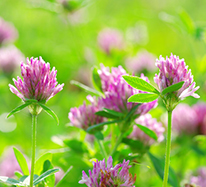
Red clover flowers
(Trifolium pratense)
Its antiseptic effects were observed by ancient people, both externally - for healing wounds and burns, and internally - for coughs, sore throats and diarrhea. In ancient times, people used it as a means of eliminating metabolic products, a diuretic, an increase in the body's resistance, and an expectorant.
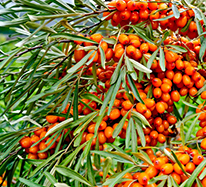
Sea buckthorn leaves
(Hippophae rhamnoides)
Sea buckthorn leaves were attributed with astringent, anti-inflammatory, analgesic, skin regenerating, wound-healing, and ulcer-healing effects.
Blackcurrant fruit
(Ribes nigrum)
Blackcurrants have been known since ancient times to have anti-inflammatory, antidiarrheal, diaphoretic, expectorant, fever-lowering, appetite-stimulating, and metabolism-normalizing effects. They were also used as an antiseptic and to strengthen the body's immunity.
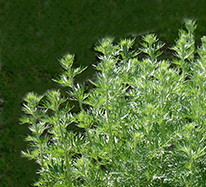
Wormwood leaves
(Herba Artemisiae absinthii)
Although many biologists believe that wormwood is the most bitter medicinal plant, it has a high biological value. Since ancient times, people have attributed soothing, anti-inflammatory, analgesic, and anthelmintic effects to wormwood. Ancient people used wormwood tea to stimulate appetite, promote digestive function, and relieve flatulence.
Horsetail leaves
(Herba Equiseti Arvensis)
In folk medicine, horsetail leaves are most commonly used as a diuretic and hemostatic agent. A decoction of the plant is used as a blood purifier, for the treatment of lung diseases, kidney stones, gout, rheumatism, edema, against urinary incontinence at night, and for regulating menstruation.
Tricolor violet leaves
(Herba Violae tricoloris)
In ancient times, the plant was used mainly for respiratory diseases - cough, whooping cough, bronchitis, rheumatic pain, gout, skin diseases - against severe itching, to soften stools, and to cleanse the body.